Exploration

Travel has always been part of our lives. Growing up, we learned early on that you didn’t need a big budget or a far-off destination to explore somewhere meaningful. Some of our favorite memories came from places close to home, where wandering a little further led to discovering something new.

This Explore page is a collection of those moments — local spots, long drives, quiet places, and destinations we didn’t plan but ended up loving. Whether you’re exploring nearby or heading somewhere far away, we hope these stories inspire you to slow down and see what’s around you.

Explore Our National Parks

Our latest Exploration blogs

Hoh Rainforest

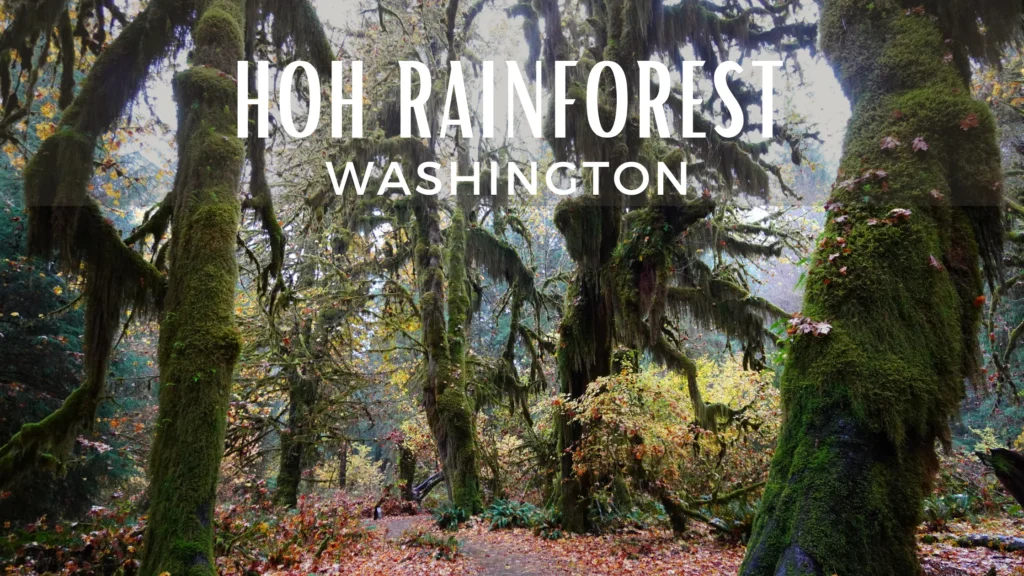
The Hoh Rainforest Blog

Ultimate Guide To Hoh Rainforest In Washington State Looking forward to exploring the green and leafy lands of Washington State can be as much fun as it is tough, with all the beautiful places you have to choose from. If you like trees covered in moss and pretty paths, Hoh Rainforest in Washington State is the best place to go. Hoh Rainforest in Olympic National Park isn’t just about greenery. It’s a gateway to witnessing the raw beauty of nature. The Hoh Rainforest is renowned for its inviting trails, appealing to both the leisurely stroller and the enthusiastic hiker. In the Hoh Rainforest, tranquil strolls through ancient forests await those seeking peace, while challenging routes reveal the park’s untouched beauty. This destination caters to every nature lover’s adventure. You won’t want to miss out on the Hoh Rainforest!  Here’s what you need to know!  Key Takeaways Exploring Hoh Rainforest Tucked away in the landscapes of Olympic National Park, the Hoh Rainforest serves as a striking symbol of Washington State’s primal and untouched beauty. With its beginnings wrapped in the fog of ancient days, these moss-covered trees and their surrounding trails provide a haven for those in search of both tranquility and adventure amidst nature’s splendor. Location Northwest of the Olympic National Park, Hoh Rainforest is located approximately 90 miles from Port Angeles and 31 miles from Forks. Beginning from Highway 101, the route leads you through scenic landscapes characterized by lush forests, winding rivers, and occasional glimpses of wildlife.For those traveling in smaller vehicles like cars, the road is well-paved and relatively narrow in some sections, winding gently through the countryside. Be prepared for occasional curves and elevation changes, but overall, the drive is smooth and enjoyable. If you’re in an RV or van, you’ll find the road accommodating, with wide enough lanes and gradual inclines to navigate comfortably. However, it’s essential to drive cautiously, especially around curves and narrow stretches, and be mindful of your vehicle’s size. Along the way, you’ll encounter several turnouts and viewpoints offering opportunities to stretch your legs, take in the scenery, and capture memorable photos. Plan for a leisurely drive, allowing ample time to soak in the natural beauty of the Olympic Peninsula before reaching the entrance to the Hoh Rainforest. History The Hoh Tribe, indigenous to the Pacific Northwest Coast of Washington State, USA, holds a deep and enduring connection to the land of their ancestors. For millennia, the tribe has inhabited the lush Hoh River Valley within the Olympic Peninsula, relying on fishing, hunting, and gathering for sustenance. Despite the challenges posed by European colonization and the establishment of reservations, the Hoh Tribe has persevered, maintaining its cultural identity and traditions. Today, the tribe is federally recognized and governed by a tribal council, which works tirelessly to promote the welfare of its members and preserve its rich cultural heritage. Through language revitalization efforts, traditional arts and crafts, and cultural events, the Hoh Tribe continues to honor its past while embracing the future.
Read More »
Quinault Rainforest

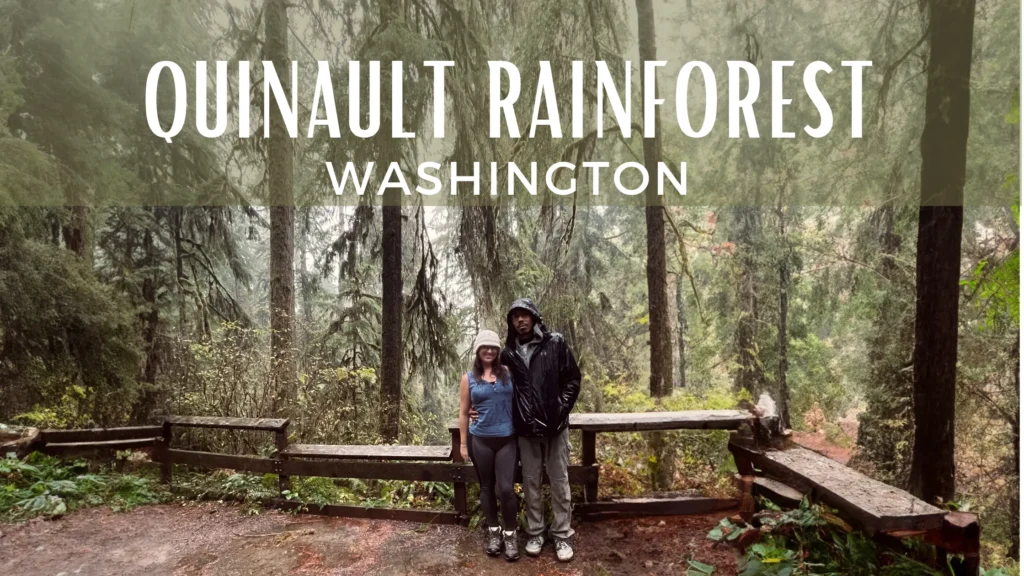
The Quinault Rainforest Blog

Our Guide To Quinault Rainforest In Washington Ever wondered if there’s a place where nature seems untouched by time and man? Look no further than the Quinault Rainforest. A place where you can experience towering trees, mystic lakes, and winding trails; nestled in the heart of the Olympic National Park.  Quinault Rainforest is best known for its scenic drives, breathtaking hikes, and tranquil nature trails. Just imagine driving through the lush, green expanse of the Quinault Rainforest Loop Drive, with the sun filtering through the canopy, creating a kaleidoscope of light on the forest floor. Your perfect day might include a leisurely hike along the Quinault Rainforest Trail, where you can learn about the purpose of life and death and see wonderful cascading waterfalls to ancient, moss-covered giants that whisper the secrets of the ages.  The enchanting Quinault Rainforest, nestled within the vast wilderness of Olympic National Park, has unveiled a realm where ancient giants dwell and serene waters flow. We’ve discovered not only the lush paths of the Rainforest Nature Trail, the towering majesty of the World’s Largest Sitka Spruce, and the soothing whispers of Merriman Falls but also the rich tapestry of life and history that makes this place uniquely captivating. Intrigued? Read on! Key Takeaways Understanding The Quinault Rainforest The Quinault Rainforest, with its majestic ancient trees, dense underbrush, and an abundance of wildlife, has a rich history deeply connected to the Quinault Indian Nation. For generations, this lush valley, carved by glaciers, has been their home, a testament to the enduring bond between the land and its people. Location A quick turn off Highway 101 and a scenic drive less than three hours from Seattle will lead you to the Quinault Rainforest. Whether you’re coming from the north or south directions, the drive offers a stunning glimpse into the natural wonders of the Pacific Northwest. The forest itself, with its unparalleled beauty, invites visitors into a world of tranquility and exploration, a sharp contrast to the hustle of urban life. History The Quinault Indian Nation’s story is embedded in the Olympic National Park and, more specifically, the Quinault Rainforest. Their culture and knowledge of these lands spans countless years, reflecting a remarkable relationship with the environment. The rainforest has been a generous provider, offering salmon-filled rivers and cedar for traditional crafts. Their sustainable living practices have ensured the flourishing of both their community and the forest. The arrival of European settlers and the imposition of treaties significantly impacted their traditional ways, challenging their connection to the land. Yet, the Quinault Indian Nation has remained unwavering in their commitment to environmental preservation and cultural integrity. Today, they are leaders in the efforts to safeguard and rehabilitate the Quinault Rainforest, advocating for practices that protect its rich biodiversity for generations to come. Their legacy is a living reminder of the importance of harmony with nature and mankind. Popular Attractions Quinault Rainforest Nature Trail The Quinault Rainforest Nature Trail, expect to step into a world where nature’s tranquility meets

Read More »

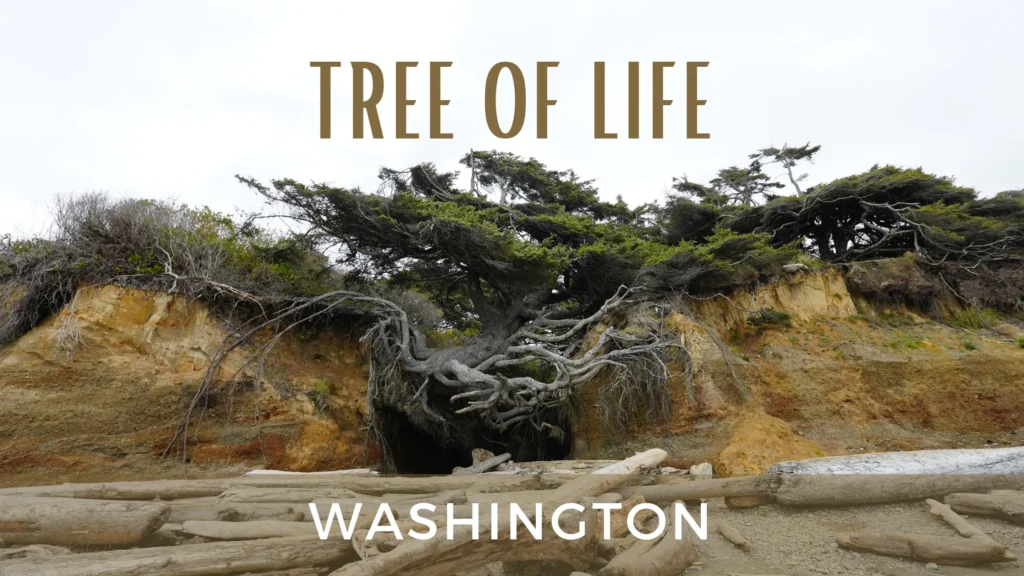
Washington’s Tree of Life

Welcome To The Tree Of Life In Washington Have you ever heard of the Tree of Life? Well, now you have! The Tree of Life is an extraordinary nature occurrence located right in the state of Washington! Sitting on the pacific coast of Washington, a coast best known for it’s rough waters and high winds, it continues to stand tall. The best time to visit would be during the summer, the warmest and sunniest part of the year.  This guide will walk you through everything you from what to expect seasonally, outdoor activities and why the Tree of Life is a marvelous place to visit when you’re in Washington. Wanna know more? Read on! Key Takeaways What is the Tree of Life? The Tree of Life stands as a powerful symbol of resilience and survival, its roots suspended in a testament to endurance. Nestled on the edge of Kalaloch Beach, this living landmark embodies the continuous cycle of growth and adaptation. Location Just a short drive from the charming town of Forks, known for its logging history and Twilight book series, stands the Tree of Life in Washington State. From Seattle, it’s a scenic journey along Highway 101, winding through the lush Olympic Peninsula for about 4 hours, winding through the lush Olympic Peninsula before revealing the rugged coastline. The tree’s most astonishing feature is its seemingly gravity-defying roots, a spectacle that draws curious eyes and nature enthusiasts alike. People flock to the Tree of Life for its emblematic representation of resilience, and the serene beauty Kalaloch Beach offers, making it a sought-after destination for those looking to escape the city’s bustle. Click here for Directions History The age of the Tree of Life isn’t known exactly but a sitka spruce trees can live up to 800 years. Given its location on the rugged coast of Washington State and its survival against significant erosion, the Tree of Life could potentially be hundreds of years old. However, without direct study it’s difficult to determine its precise age. The Tree of Life exemplifies the dramaticimpacts of coastal erosion, a natural process that shapes the landscapes of coastal regions around the world. The erosionthat carved out the cave beneath the tree’s roots highlights the dynamic and ever-changing nature of coastal ecosystems. Over time, the coastal erosion has washedaway the soil around the tree’s base, leaving a cave-like void beneath it. Instead of falling or dying as might be expected given these conditions, the tree’s roots have stretched and intertwined to span this gap, creating a natural bridge that supports the tree’s continued growth and survival. What does the Tree of Life symbolize today, well – it’s desire to continue to thrive even though all the odds are against it. The tree’s root system sits on an empty cave created by erosion, with the roots visibly hanging in the air, which is so wild if you think about it! Photography The Tree of Life has become a popular subject for photographers, drawn to its

Read More »

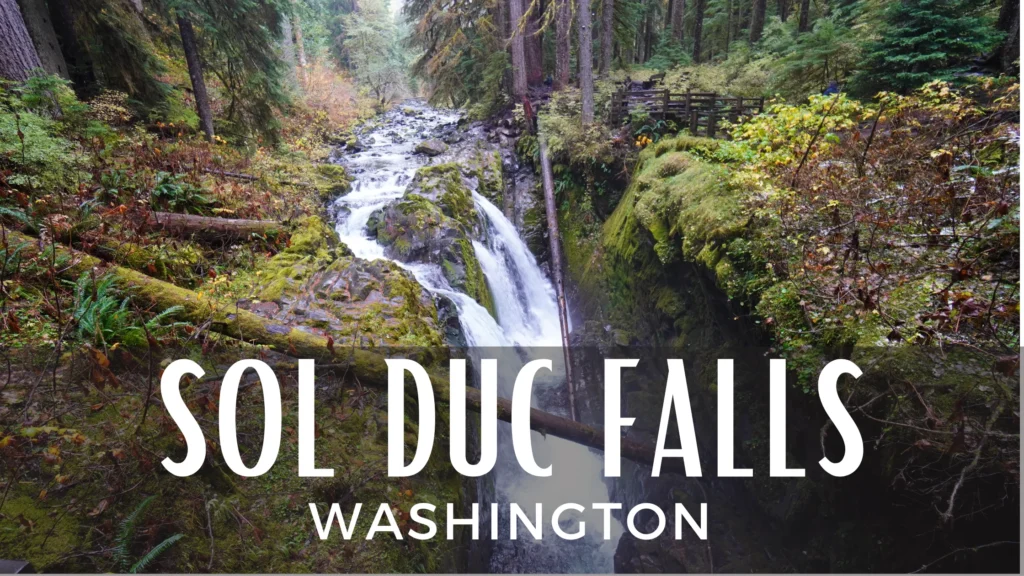
The Sol Duc Falls Blog

Ultimate Guide To Sol Duc Falls In Washington State Seeking an adventure within the lush landscapes of Washington State can be as thrilling as well as stressful, given the large amount of breathtaking destinations at your fingertips. For those who love the cascading waterfalls and scenic trails, Sol Duc Falls is the best choice. Situated within the heart of the Olympic National Park, Sol Duc Falls isn’t merely a waterfall; it represents a step into the wilderness, inviting explorers to immerse themselves in the raw beauty of nature. Sol Duc Falls is celebrated for its accessible trails that beckon both the casual walker and the avid hiker. Whether your journey is motivated by the desire for tranquil strolls through ancient forests or the ambition to navigate more arduous routes offering glimpses of the park’s untouched beauty, this destination promises an adventure for every breed of nature lover. Embark on an expedition! Here’s what you need to know: Key Takeaways Exploring Sol Duc Falls Nestled within the verdant expanses of Olympic National Park, Sol Duc Falls stands as a testament to the ancient and wild heart of Washington State. With its origins shrouded in the mists of time, this mesmerizing waterfall and its surrounding trails offer a sanctuary for those seeking both peace and adventure amidst nature’s grandeur. Location Situated in the Olympic National Park, Sol Duc Falls is a marvel located approximately 40 miles from Port Angeles, accessible via the Sol Duc Road. This journey through the park showcases the diverse beauty of the region, making the falls easily reachable for those eager to delve into the mysteries of the Olympic wilderness. A drive from Seattle to Sol Duc Falls is an adventure in itself, spanning about three to four hours, and unfolds as a scenic route that guides visitors straight into the heart of Washington’s natural splendor. It serves as a perfect getaway for both short escapades and extended explorations, attracting nature enthusiasts with its captivating vistas and the serene ambiance of the forested trails. History The story of Sol Duc Falls is woven into the fabric of the Olympic National Park, echoing tales of ancient times when Native American tribes roamed these lands, drawn by its untouched beauty and abundant resources. The unveiling of the falls to the wider world brought an influx of visitors, drawn by tales of its majestic beauty and the therapeutic qualities of the nearby Sol Duc Hot Springs. Over the years, the area around Sol Duc Falls has become a focal point for those seeking to connect with the wilderness, its history enriching every hike and visit with stories of natural wonder and the passage of time. Popular Hikes Sol Duc Falls presents visitors with a variety of trails, each offering a unique perspective on the lush landscapes of the Olympic National Park. These trails cater to adventurers of all skill levels, promising encounters with the park’s majestic beauty. These trails around Sol Duc Falls invite explorers to witness the dynamic beauty of

Read More »