Exploration

Travel has always been part of our lives. Growing up, we learned early on that you didn’t need a big budget or a far-off destination to explore somewhere meaningful. Some of our favorite memories came from places close to home, where wandering a little further led to discovering something new.

This Explore page is a collection of those moments — local spots, long drives, quiet places, and destinations we didn’t plan but ended up loving. Whether you’re exploring nearby or heading somewhere far away, we hope these stories inspire you to slow down and see what’s around you.

Explore Our National Parks

Our latest Exploration blogs

No Trace Left Behind

No Trace Left Behind

Have you ever ventured into the wilderness, only to stumble trash, empty bottles, or sometimes grosser things? This is why we follow the “No Trace Left Behind” philosophy. This unspoken pact among nature lovers highlights the importance of leaving our outdoor playgrounds better than we found them. In a world where ecological consciousness is front and center, following this unwritten rule isn’t just admirable – it’s important.  “No Trace Left Behind” is an unwritten code of conduct that serves as a guiding principle for responsible outdoor activities. At its core, this concept embraces the idea that when we venture into natural environments, we should aim to leave absolutely no evidence of our presence. This means taking deliberate steps to minimize our impact on the environment. While “No Trace Left Behind” may not have an official, documented history, its origins can be traced back to the early days of outdoor recreation. As more people began to explore the great outdoors, it became evident that the negative consequences of human activity, such as littering and habitat disturbance, posed a threat to these natural spaces. The 7 Principles of No Trace Left Behind Make sure you plan ahead when you camp, ensuring you have the knowledge and gear needed. Remember to take your trash with you, truly the no trace left behind simplest example. LEAVE nature alone, preserving the environment’s pristine state by not disturbing it. Minimize campfire impact by using established fire rings and adhering to fire regulations. Show respect for wildlife by keeping a safe distance. Finally, be considerate of other visitors to foster a welcoming and enjoyable atmosphere for all. These actions collectively contribute to a positive outdoor experience while safeguarding our natural spaces for the future. The philosophy of “No Trace Left Behind” is not just a set of guidelines; it’s a commitment to preserving the natural beauty of our outdoor spaces. By adhering to the seven principles of responsible outdoor ethics, we can collectively make a profound impact on the environment. Our actions today will determine the quality of outdoor experiences for future generations. By planning ahead, camping with nature, taking our trash with us, leaving nature alone, minimizing campfire impact, respecting wildlife, and being considerate of other visitors, we can ensure that the great outdoors remains a source of inspiration and solace for all. Together, we can create a legacy of responsible outdoor recreation, leaving our natural spaces as pristine and captivating as we found them. Share with Friends & Family

Read More »
10 Must-Try Activities in the Olympic National Park

10 Must-Try Activities in the Olympic National Park

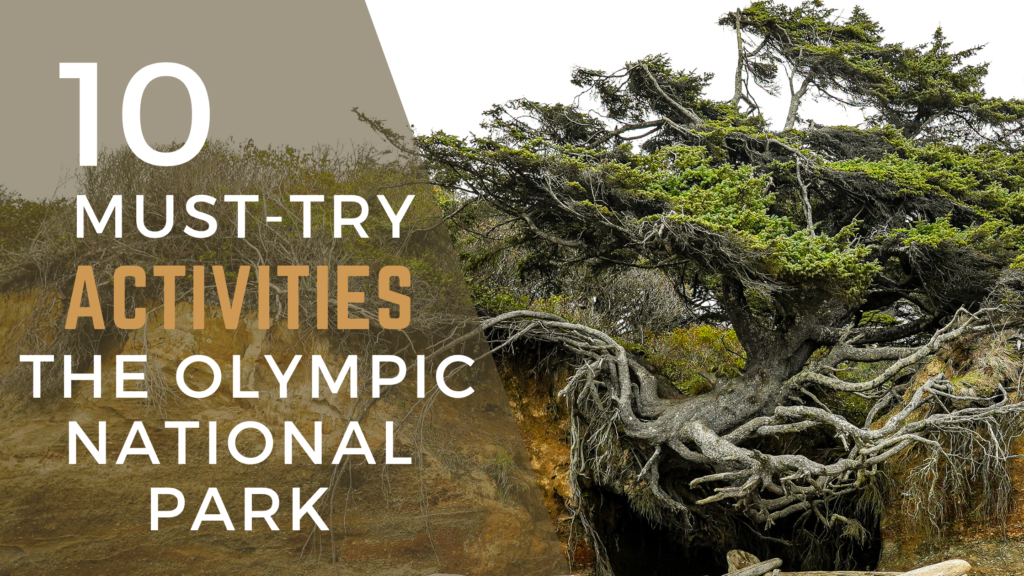
Let’s get exploring! Here are 10 Must-Try Activities in the Olympic National Park! These popular activities will keep you busy in nature for as long as your heart desires! From hiking to birdwatching to star-gazing, the PNW has it all! Let’s dive into what all you can do! 1. Hiking in the Olympic National Park Explore over 600 miles of trails, tailored to all skill levels. From challenging peaks to leisurely strolls, Olympic National Park boasts a trail for every adventurer. Mount Ellinor Trail ➡️ In late October in 2021, we tried to hike to the summit of Mount Ellinor. We started at the Upper Trailhead around 12pm and took us around 4 hours to do 3.71 miles, with an elevation gain of 1,679 ft. We did find it challenging as we did NOT have proper hiking equipment for snowy trails. LOL! 2. Backpacking Immerse yourself in the park’s untouched wilderness by embarking on multi-day backpacking adventures. Find the top backpacking routes and essential gear for your journey. 3. Wildlife Keep your binoculars handy to catch sight of the park’s diverse wildlife. From elk to bears to soaring eagles, Olympic National Park offers thrilling wildlife encounters. Check our our blog about the Wildlife in the Olympic National Park. 4. Explore The Coast Stroll along the park’s coastlines to discover unique seashells, intriguing rocks, and a vibrant marine ecosystem. Explore tide tables and understand coastal safety to enhance your beach combing adventures. Tree of Life➡️ Located on Kalaloch Beach, the Tree of Life is a magnificiant natural sight to visist when in the area. Still growing between two rocks formations and on a beach that is not kind, it was super windy and cold when we went. 5. Birdwatching Birdwatchers will be delighted by the rich avian population within the park. Don’t forget your bird field guide to identify the multitude of species. Dive into the world of birdwatching, discovering the hottest birdwatching spots and rare bird sightings. 6. Kayaking/Canoeing Navigate serene lakes and winding rivers to gain a fresh perspective of the stunning surroundings. Familiarize yourself with water safety and paddling techniques to ensure a smooth journey. Kayaking the Hood Canal ➡️ We had the privilege of our Airbnb host having kayaks that we could use whenever we wanted. We learned lesson that we probably shouldn’t have needed to learn…. go against the wind going out so it push your back in. Coming back was brutal 😂 7. Fishing Cast your line into the park’s crystal-clear rivers and pristine lakes, home to various fish species, including the iconic salmon. Explore fishing tips and uncover prime angling spots. Learn about catch and release practices and fishing regulations to protect the park’s aquatic ecosystems. 8. Camping Spending a night beneath the starry skies at one of the park’s campgrounds is definitely a must! For a more secluded experience, venture into the backcountry, if you have experience. 9. Photography The awe-inspiring landscapes, diverse wildlife, and unique natural features, creating unforgettable memories. Understand golden hour

Read More »
Wildlife in Olympic National Park

Wildlife in Olympic National Park

Welcome to the untamed world of Olympic National Park, where wildlife roams free and nature’s beauty knows no bounds. In this guide, we’ll introduce you to the incredible array of wildlife that calls this park home, shed light on the vital conservation efforts in place, and offer valuable tips for making the most of your wildlife-watching adventures. Iconic Wildlife Roosevelt Elk The magnificent Roosevelt Elk, named after President Theodore Roosevelt, reigns supreme as the largest and most majestic member of the park’s wildlife community. With adult males weighing up to an astonishing 1,100 pounds, encountering these noble beasts during the early morning or late evening is a privilege. Remember, these are wild animals, so always maintain a respectful distance, avoid sudden movements, and never approach them too closely, especially in bear country. Black Bears Olympic National Park’s dense forests hide one of its most elusive residents—the black bear. These creatures are vital to the park’s ecosystem, and spotting one can be exhilarating. Approach with caution and respect for their habitat. Black bears are adaptable and can be found in various park habitats. To increase your chances of a sighting, explore forested areas during early mornings or late evenings when they are most active. Always maintain a safe distance, ideally at least 100 yards away, carry bear spray, and make noise while hiking to avoid surprises. It’s also safer to hike in groups. Mountain Goats High in the park’s mountainous areas lives the mountain goat. With shaggy white coats and distinctive curved horns, these goats are perfectly adapted to the rugged terrain. For the best chance to spot them, venture into the park’s alpine zones, such as Hurricane Ridge or High Divide. Use binoculars or a telephoto lens to get a closer look without disturbing them. Remember to maintain a respectful distance of at least 100 yards and be mindful of their conservation status. Pacific Salmon Olympic National Park’s rivers and streams host a remarkable natural spectacle each year—the Pacific salmon run. Witnessing this epic journey of chinook, coho, and sockeye salmon is unforgettable. In late summer and fall, you can observe them leaping out of the water, fighting strong currents, and digging nests for their eggs. Bald Eagles The skies of Olympic National Park are graced by iconic bald eagles, especially along the coastline, rivers, and lakes. While observing these magnificent creatures, maintain a respectful distance to ensure their safety and abide by federal laws protecting them. Olympic Marmots In the park’s high-altitude meadows and rocky slopes, you’ll find the endearing Olympic marmots. These chubby-cheeked, ground-dwelling rodents are often seen in family groups, engaging in playful activities and emitting distinctive whistles that echo through the mountains. Their comical appearances and social behaviors make them a favorite among park visitors. Share with Friends & Family

Read More »
Weather Of The Olympic National Park

Weather of the Olympic National Park

As you explore the wonders of Olympic National Park, you’ll quickly realize that its ever-changing weather. Olympic National Park showcases four distinct seasons, with spring brings blossoming flowers and active wildlife. Summer offers sunny days for hiking and beach outings and fall brings colorful leaves, salmon runs and tons of hiking. Each season adds its unique charm, welcoming visitors year-round. Understanding Olympic National Park’s weather is the key to creating an unforgettable adventure. Spring in Olympic National Park Spring in Olympic National Park is a time of renewal and natural wonder. As the snow begins to melt and temperatures rise, the park comes alive with a variety of outdoor activities, for humans, wildlife and nature. The best time to explore these trails is during the morning when wildlife is more active, making it an ideal opportunity to spot black-tailed deer, Roosevelt elk, and even black bears. Keep an eye out for the vibrant birdlife as well, with species like the varied thrush adding their melodic songs to the park’s symphony of spring. Average Temperatures Early Spring (March to April) During the early spring months, daytime temperatures often range from the mid-40s to mid-50s Fahrenheit (7°C to 13°C). However, nights can still be quite chilly, with temperatures dropping into the 30s Fahrenheit (around 1°C to 4°C). Late Spring (May to June) As spring progresses into late May and June, temperatures become more pleasant for outdoor activities. Daytime highs commonly reach the upper 50s to mid-60s Fahrenheit (14°C to 18°C), offering comfortable conditions for hiking and exploration. Evenings remain cool but not as cold as in early spring, with lows in the 40s Fahrenheit (4°C to 9°C) Expected Rainfall On average, March welcomes the transition from winter with around 4 to 5 inches of rainfall. As April unfolds, the park receives a bit more moisture, with an average of about 5 to 6 inches. May continues the trend of increasing rainfall, with an average of approximately 6 to 7 inches. June, the closing chapter of spring, maintains this pattern, with an average of about 6 to 7 inches. These spring showers play a pivotal role in nurturing the vibrant flora and creating the lush environment that defines the park’s beauty during this season. While they bring life to the landscape, it’s wise for visitors to come prepared for occasional rain and embrace the enchanting, rain-kissed charm of Olympic National Park in spring. Wildflowers Spring is the season when the park’s wildflowers burst into a riot of colors. From delicate trilliums to vibrant rhododendrons, the park becomes a tapestry of blooms, attracting hikers and nature enthusiasts alike. Salmon Spectacle Spring is a remarkable time for salmon runs in the park’s rivers and streams. Witness the incredible journey of these fish as they return to their spawning grounds, leaping upstream against all odds. Birdwatching As the park awakens from winter’s slumber, it becomes a haven for birdwatchers. Numerous bird species, including migratory ones, can be spotted during spring, making it an ideal time for

Read More »